

Lineage
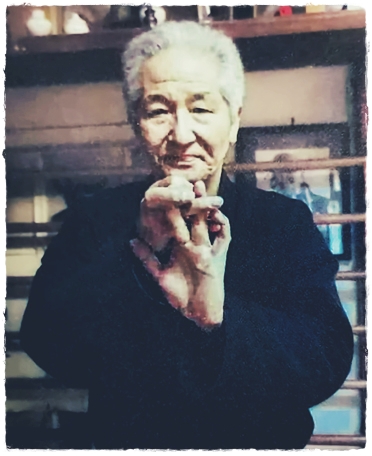
Toshitsugu Takamatsu
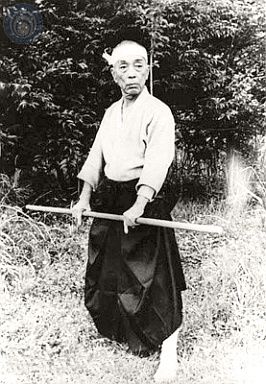
Toshitsugu Takamatsu, born on March 10, 1889, in Akashi, Hyōgo Prefecture, Japan, was a pivotal figure in modern martial arts, known for his significant contributions to Ninjutsu and as a mentor to Masaaki Hatsumi, the founder of the Bujinkan Organization. Often celebrated as "The Last Shinobi," Takamatsu's life and martial arts career have intrigued many within and outside the martial arts community. His martial journey began at an early age, learning from his grandfather, Toda Shinryuken Masamitsu, a practitioner of Shindenfudo Ryu among other martial arts disciplines. Takamatsu's dedication to martial arts was profound, mastering various styles and accepting the mantle of Soke for Togakure Ryu Ninjutsu.
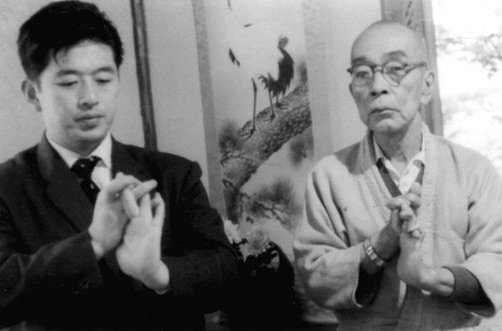
Takamatsu's teachings extended beyond techniques; he embodied the spirit and philosophy of martial arts, impacting his students deeply. He was known for having fought numerous life-or-death battles, reinforcing his legacy as a true warrior. His significant move came when he passed on his knowledge to Masaaki Hatsumi, ensuring the survival and dissemination of his martial arts lineage. Hatsumi, born on December 2, 1931, in Noda, Chiba, Japan, was a sports enthusiast who ventured deeply into martial arts during his university years. Under Takamatsu's tutelage, Hatsumi embraced the essence of Ninjutsu, learning not just the physical techniques but also the deeper spiritual and philosophical aspects that underpin these ancient practices. Following Takamatsu's death in 1972, Hatsumi became the Soke, or grandmaster, of the nine schools of martial arts that Takamatsu had imparted to him, marking a significant transition in the stewardship of these traditions.
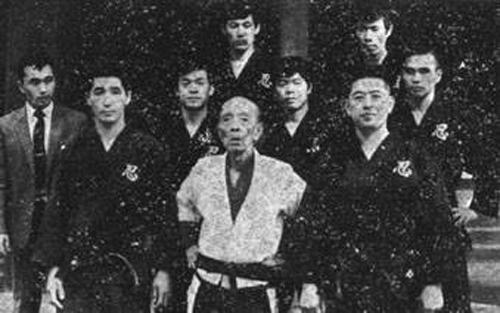
Takamatsu's legacy is marked not just by his martial prowess but also by his profound influence on Hatsumi and, through him, on the global spread of Ninjutsu. The narrative of Takamatsu's life, from his rigorous training under his grandfather and other masters to his adventures in China and eventual role as a mentor to Hatsumi, reflects the rich tapestry of martial arts history and its enduring impact across generations
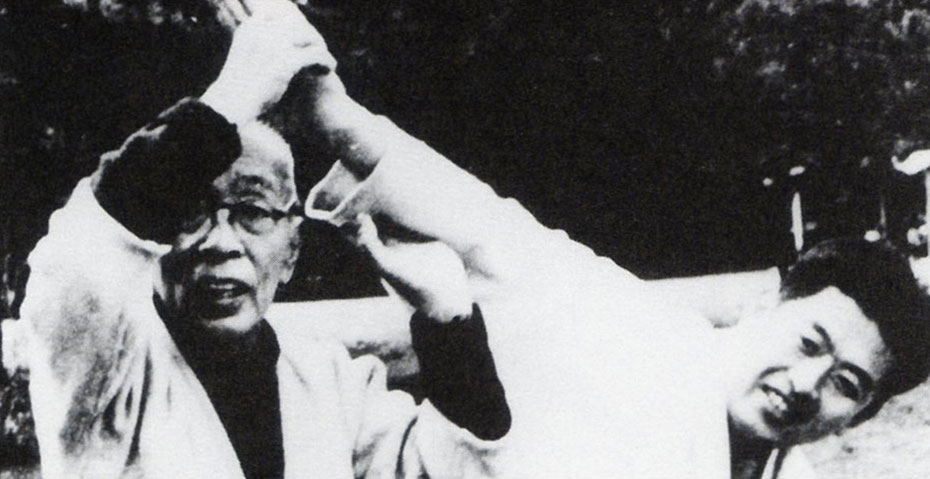
Toshitsugu Takamatsu
Toshitsugu Takamatsu, born on March 10, 1889, in Akashi, Hyōgo Prefecture, Japan, was a pivotal figure in modern martial arts, known for his significant contributions to Ninjutsu and as a mentor to Masaaki Hatsumi, the founder of the Bujinkan Organization. Often celebrated as "The Last Shinobi," Takamatsu's life and martial arts career have intrigued many within and outside the martial arts community. His martial journey began at an early age, learning from his grandfather, Toda Shinryuken Masamitsu, a practitioner of Shindenfudo Ryu among other martial arts disciplines. Takamatsu's dedication to martial arts was profound, mastering various styles and accepting the mantle of Soke for Togakure Ryu Ninjutsu.
Takamatsu's teachings extended beyond techniques; he embodied the spirit and philosophy of martial arts, impacting his students deeply. He was known for having fought numerous life-or-death battles, reinforcing his legacy as a true warrior. His significant move came when he passed on his knowledge to Masaaki Hatsumi, ensuring the survival and dissemination of his martial arts lineage. Hatsumi, born on December 2, 1931, in Noda, Chiba, Japan, was a sports enthusiast who ventured deeply into martial arts during his university years. Under Takamatsu's tutelage, Hatsumi embraced the essence of Ninjutsu, learning not just the physical techniques but also the deeper spiritual and philosophical aspects that underpin these ancient practices. Following Takamatsu's death in 1972, Hatsumi became the Soke, or grandmaster, of the nine schools of martial arts that Takamatsu had imparted to him, marking a significant transition in the stewardship of these traditions.
Takamatsu's legacy is marked not just by his martial prowess but also by his profound influence on Hatsumi and, through him, on the global spread of Ninjutsu. The narrative of Takamatsu's life, from his rigorous training under his grandfather and other masters to his adventures in China and eventual role as a mentor to Hatsumi, reflects the rich tapestry of martial arts history and its enduring impact across generations
Masaaki Hatsumi, born on December 2, 1931, in Chiba Prefecture, Japan, is a revered figure in the world of martial arts, especially known for his expertise in Ninjutsu. His martial arts journey is deeply intertwined with his training under Toshitsugu Takamatsu, known as "the Tiger of Mongolia." Hatsumi Sensei began his study of martial arts in childhood, exploring various disciplines, including judo, karate, aikido, and boxing. His quest for deeper martial knowledge led him to Takamatsu Sensei at the age of 27, marking the beginning of a profound mentorship that would shape the future of ninjutsu. Hatsumi's training under Takamatsu was profound and transformative, lasting for 15 years until Takamatsu's death in 1972. During this period, Hatsumi was deeply influenced by Takamatsu's teachings, which were rooted in real-world application and effectiveness. This mentorship not only honed Hatsumi's skills but also shaped his philosophical approach to martial arts. Hatsumi's respect for Takamatsu is evident, referring to him as the source of his knowledge and the reason for his success in martial arts. In 1972, following Takamatsu's passing, Hatsumi became the Soke, or grandmaster, of the nine martial arts schools that Takamatsu had imparted to him. This marked the beginning of the Bujinkan Dojo, through which Hatsumi sought to continue the legacy of his master and the traditions of the nine schools. His approach to teaching emphasizes the "feeling" of technique and the application of skills in real situations, rather than mere physical strength or speed. Hatsumi Sensei's approach to martial arts emphasizes the "feeling" of technique and the application of taijutsu, focusing on the adaptability and fluidity of movements rather than rigid forms. His teachings extend beyond physical techniques, delving into the spiritual and philosophical aspects of martial practice. Hatsumi's contributions to martial arts extend beyond teaching. He has authored over 20 books and numerous DVDs on Ninjutsu and has been featured in almost every magazine related to the subject worldwide. His expertise has also been sought in various film and television productions as a martial arts advisor, including the James Bond movie "You Only Live Twice". Recognized globally for his martial arts prowess, Hatsumi has received numerous honors, including the title of Black Belt Magazine's Instructor of the Year in 1986 and acknowledgments from various international agencies like the FBI, CIA, and the Israeli Air Force. His teachings have inspired countless practitioners worldwide, creating a vast network of students and instructors dedicated to the study and practice of Bujinkan Budo Taijutsu. Masaaki Hatsumi's life and work stand as a testament to his dedication to martial arts, his deep respect for his master Takamatsu, and his commitment to passing on the legacy of the nine schools to future generations. His influence extends far beyond the confines of the dojo, impacting the global martial arts community and ensuring that the traditions of Ninjutsu continue to thrive.Masaaki Hatsumi
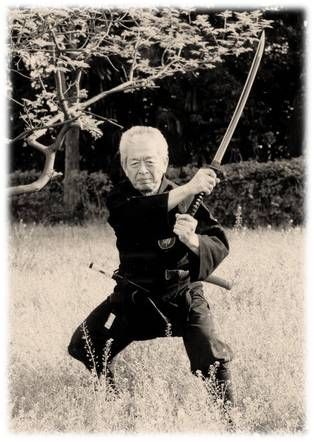
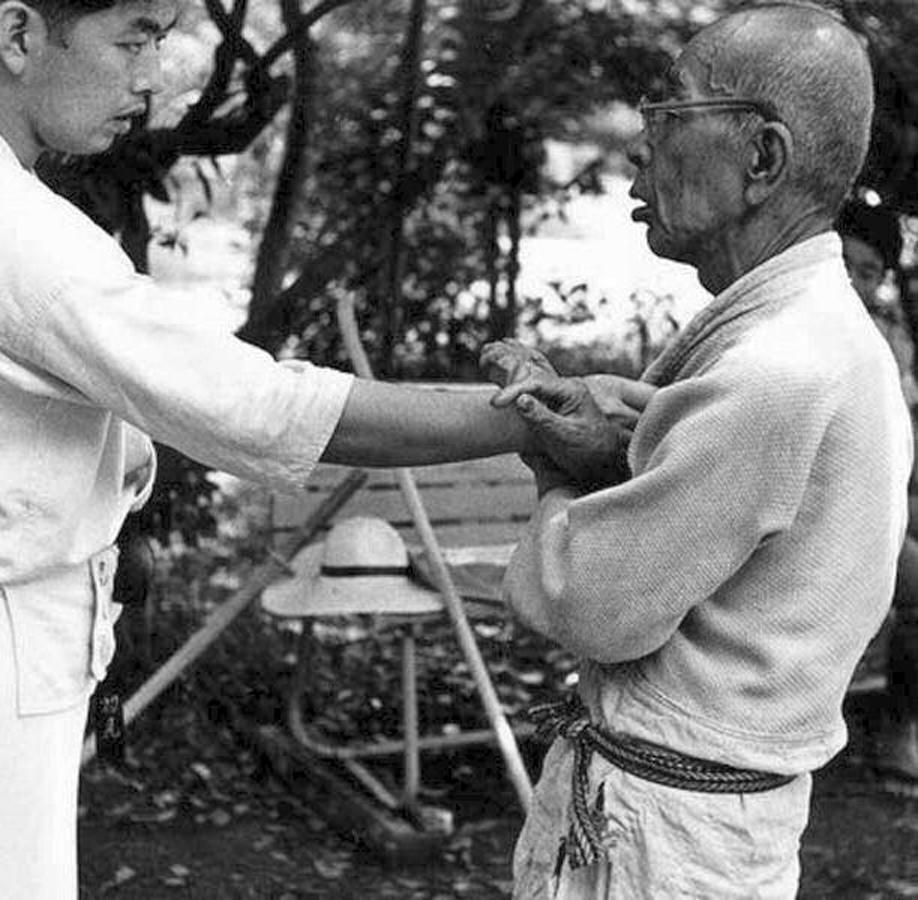
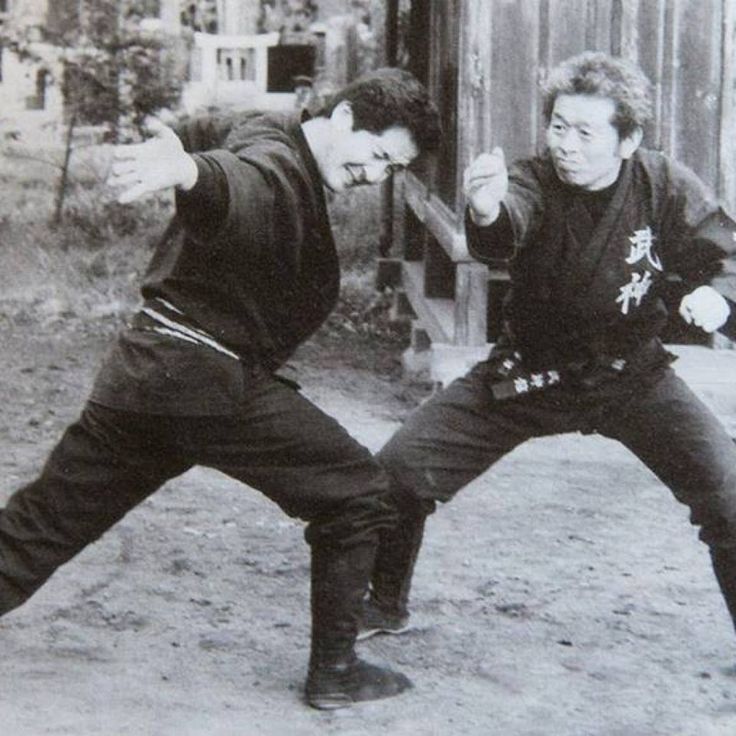
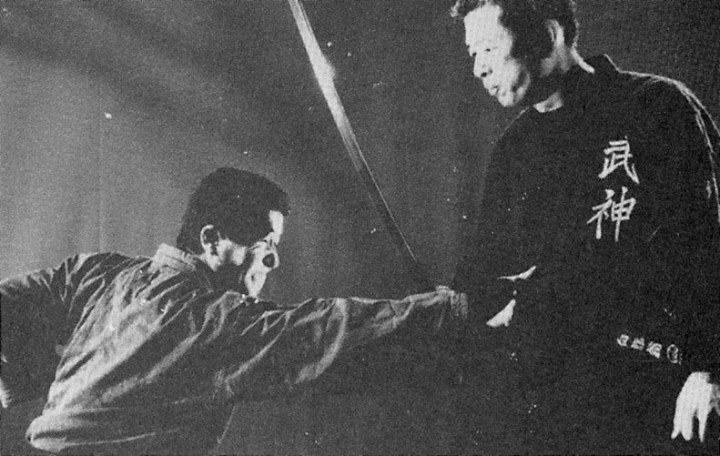
Masaaki Hatsumi
Masaaki Hatsumi, born on December 2, 1931, in Chiba Prefecture, Japan, is a revered figure in the world of martial arts, especially known for his expertise in Ninjutsu. His martial arts journey is deeply intertwined with his training under Toshitsugu Takamatsu, known as "the Tiger of Mongolia." Hatsumi Sensei began his study of martial arts in childhood, exploring various disciplines, including judo, karate, aikido, and boxing. His quest for deeper martial knowledge led him to Takamatsu Sensei at the age of 27, marking the beginning of a profound mentorship that would shape the future of ninjutsu.
Hatsumi's training under Takamatsu was profound and transformative, lasting for 15 years until Takamatsu's death in 1972. During this period, Hatsumi was deeply influenced by Takamatsu's teachings, which were rooted in real-world application and effectiveness. This mentorship not only honed Hatsumi's skills but also shaped his philosophical approach to martial arts. Hatsumi's respect for Takamatsu is evident, referring to him as the source of his knowledge and the reason for his success in martial arts.
In 1972, following Takamatsu's passing, Hatsumi became the Soke, or grandmaster, of the nine martial arts schools that Takamatsu had imparted to him. This marked the beginning of the Bujinkan Dojo, through which Hatsumi sought to continue the legacy of his master and the traditions of the nine schools. His approach to teaching emphasizes the "feeling" of technique and the application of skills in real situations, rather than mere physical strength or speed.
Hatsumi Sensei's approach to martial arts emphasizes the "feeling" of technique and the application of taijutsu, focusing on the adaptability and fluidity of movements rather than rigid forms. His teachings extend beyond physical techniques, delving into the spiritual and philosophical aspects of martial practice. Hatsumi's contributions to martial arts extend beyond teaching. He has authored over 20 books and numerous DVDs on Ninjutsu and has been featured in almost every magazine related to the subject worldwide. His expertise has also been sought in various film and television productions as a martial arts advisor, including the James Bond movie "You Only Live Twice".
Recognized globally for his martial arts prowess, Hatsumi has received numerous honors, including the title of Black Belt Magazine's Instructor of the Year in 1986 and acknowledgments from various international agencies like the FBI, CIA, and the Israeli Air Force. His teachings have inspired countless practitioners worldwide, creating a vast network of students and instructors dedicated to the study and practice of Bujinkan Budo Taijutsu.
Masaaki Hatsumi's life and work stand as a testament to his dedication to martial arts, his deep respect for his master Takamatsu, and his commitment to passing on the legacy of the nine schools to future generations. His influence extends far beyond the confines of the dojo, impacting the global martial arts community and ensuring that the traditions of Ninjutsu continue to thrive.

Ishizuka Tetsuji
Ishizuka Tetsuji is a prominent figure in the martial arts world, particularly within the Bujinkan organization, which is renowned for its comprehensive system that includes nine traditional Japanese martial arts schools. He holds the prestigious position of the 29th Soke of Gyokko Ryu, one of the core schools that contribute to the Bujinkan's rich martial arts curriculum.
The Bujinkan organization, under the leadership of its founder, Masaaki Hatsumi Soke, has been a cornerstone in the preservation and dissemination of traditional Japanese martial arts. These martial arts schools, including Gyokko Ryu, cover a wide range of disciplines such as ninjutsu, jujutsu, and various weapons training. Ishizuka Tetsuji's ascension to the role of Soke marks a significant moment in the continuation of these traditions, as he was directly chosen by Hatsumi Soke in a gesture that signifies trust and recognition of his deep understanding and skill in these arts.
Gyokko Ryu, known for its emphasis on kosshijutsu (bone finger technique), focuses on striking weak points and manipulating the opponent's structure. This school is one of the oldest within the Bujinkan, with a history that stretches back over a millennium. As Soke of Gyokko Ryu, Ishizuka Tetsuji is responsible for preserving the school's techniques, teachings, and spirit.
Starting his training under Hatsumi Sensei at the tender age of 17, Ishizuka Sensei quickly distinguished himself with his exceptional skill and dedication. His dojo in Noda City, Japan, is a hub for students seeking authentic training in the arts of ninjutsu and the traditional martial arts encompassed by the Bujinkan organization.
Ishizuka Tetsuji's background and contributions to the martial arts are deeply rooted in his long-standing dedication and practice under Masaaki Hatsumi. His expertise is not only limited to Gyokko Ryu but extends across the entire spectrum of Bujinkan martial arts, reflecting a holistic understanding of the system. This depth of knowledge and experience positions him as a key figure in ensuring the continuity and integrity of these ancient martial traditions.
Ishizuka Tetsuji Soke's leadership and mentorship extend far beyond the technical mastery of martial arts, embodying the holistic spirit of Budo through his teachings and personal example. His significant role within the Bujinkan community underscores a deep-seated commitment to the martial arts, focusing on the mentorship and development of practitioners worldwide. Through seminars, teachings, and personal guidance, Ishizuka Soke influences a new generation of martial artists, instilling in them the values, skills, and philosophies that define the Bujinkan. His dedication to the preservation of cultural heritage and the essence of Japanese martial arts is evident in his efforts to carry forward the legacy of his predecessors, ensuring that these ancient teachings continue to inspire and educate.
Ishizuka Sensei's life reflects a journey dedicated to mastery, teaching, and the preservation of a rich cultural heritage. As Soke of Gyokko Ryu, he holds a pivotal role in maintaining the lineage and teachings of the school, a responsibility that he approaches with a profound respect for life, discipline, and the pursuit of self-improvement. His contributions to the Bujinkan community—spanning personal life, career, and beyond—demonstrate his commitment to the values and traditions of the martial arts he teaches. Ishizuka Sensei's embodiment of Budo, the martial way, serves not only as a model for practitioners within the Bujinkan but also as an inspiration for martial artists and individuals worldwide, highlighting the impact of disciplined practice on personal growth and harmony with the world around us.
Ishizuka Tetsuji
Ishizuka Tetsuji is a prominent figure in the martial arts world, particularly within the Bujinkan organization, which is renowned for its comprehensive system that includes nine traditional Japanese martial arts schools. He holds the prestigious position of the 29th Soke of Gyokko Ryu, one of the core schools that contribute to the Bujinkan's rich martial arts curriculum.
The Bujinkan organization, under the leadership of its founder, Masaaki Hatsumi Soke, has been a cornerstone in the preservation and dissemination of traditional Japanese martial arts. These martial arts schools, including Gyokko Ryu, cover a wide range of disciplines such as ninjutsu, jujutsu, and various weapons training. Ishizuka Tetsuji's ascension to the role of Soke marks a significant moment in the continuation of these traditions, as he was directly chosen by Hatsumi Soke in a gesture that signifies trust and recognition of his deep understanding and skill in these arts.
Gyokko Ryu, known for its emphasis on kosshijutsu (bone finger technique), focuses on striking weak points and manipulating the opponent's structure. This school is one of the oldest within the Bujinkan, with a history that stretches back over a millennium. As Soke of Gyokko Ryu, Ishizuka Tetsuji is responsible for preserving the school's techniques, teachings, and spirit.
Starting his training under Hatsumi Sensei at the tender age of 17, Ishizuka Sensei quickly distinguished himself with his exceptional skill and dedication. His dojo in Noda City, Japan, is a hub for students seeking authentic training in the arts of ninjutsu and the traditional martial arts encompassed by the Bujinkan organization.
Ishizuka Tetsuji's background and contributions to the martial arts are deeply rooted in his long-standing dedication and practice under Masaaki Hatsumi. His expertise is not only limited to Gyokko Ryu but extends across the entire spectrum of Bujinkan martial arts, reflecting a holistic understanding of the system. This depth of knowledge and experience positions him as a key figure in ensuring the continuity and integrity of these ancient martial traditions.
Ishizuka Tetsuji Soke's leadership and mentorship extend far beyond the technical mastery of martial arts, embodying the holistic spirit of Budo through his teachings and personal example. His significant role within the Bujinkan community underscores a deep-seated commitment to the martial arts, focusing on the mentorship and development of practitioners worldwide. Through seminars, teachings, and personal guidance, Ishizuka Soke influences a new generation of martial artists, instilling in them the values, skills, and philosophies that define the Bujinkan. His dedication to the preservation of cultural heritage and the essence of Japanese martial arts is evident in his efforts to carry forward the legacy of his predecessors, ensuring that these ancient teachings continue to inspire and educate.
Ishizuka Sensei's life reflects a journey dedicated to mastery, teaching, and the preservation of a rich cultural heritage. As Soke of Gyokko Ryu, he holds a pivotal role in maintaining the lineage and teachings of the school, a responsibility that he approaches with a profound respect for life, discipline, and the pursuit of self-improvement. His contributions to the Bujinkan community—spanning personal life, career, and beyond—demonstrate his commitment to the values and traditions of the martial arts he teaches. Ishizuka Sensei's embodiment of Budo, the martial way, serves not only as a model for practitioners within the Bujinkan but also as an inspiration for martial artists and individuals worldwide, highlighting the impact of disciplined practice on personal growth and harmony with the world around us.
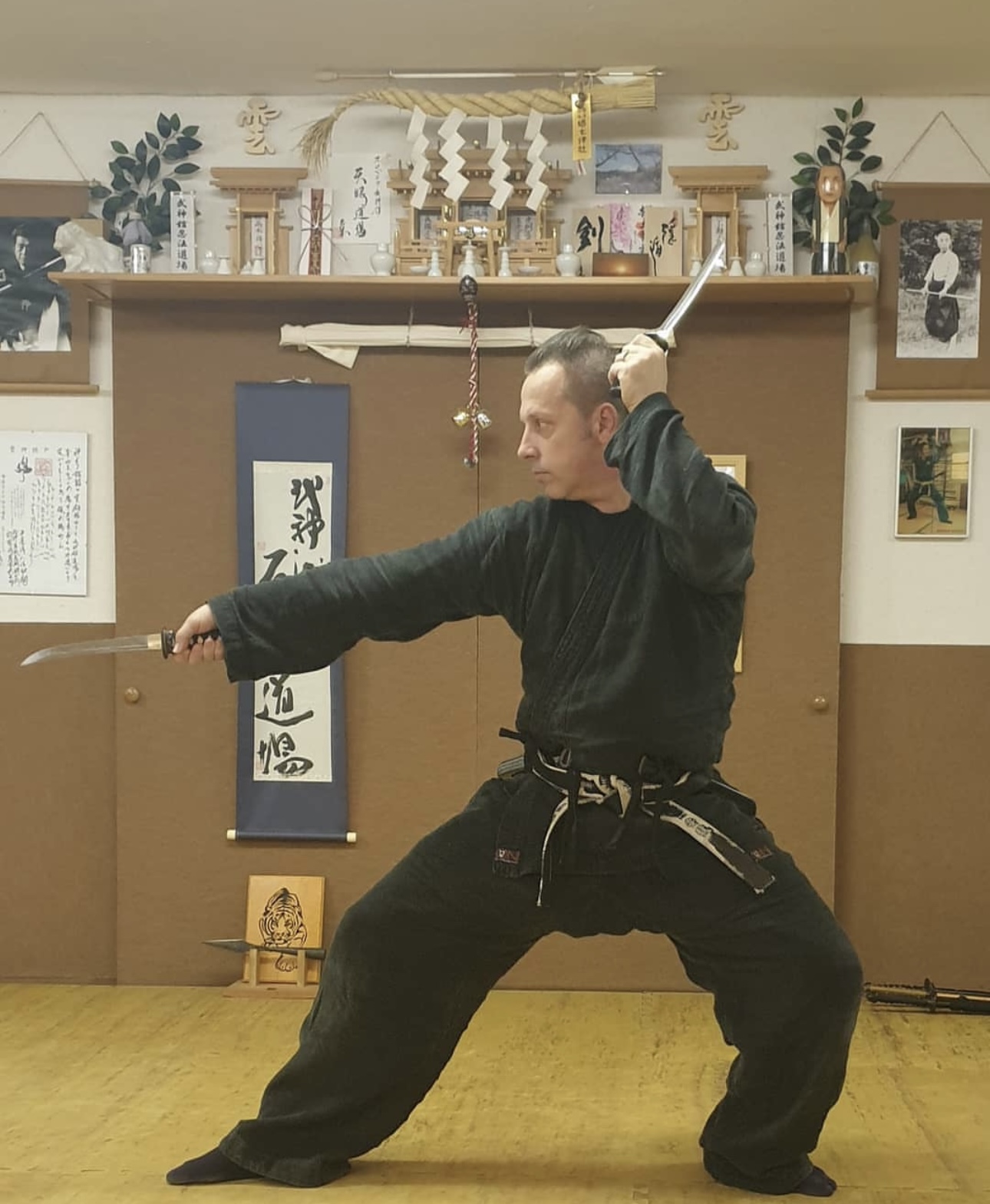
Andrej Jasenc, the founder, head, and main instructor of Bujinkan Ninpō Dōjō Slovenia, oversees the organization which is headquartered in Ljubljana and offers regular Ninjutsu training. Additionally, he oversees Bujinkan Tengan Dōjō, which is comprised solely of instructors and serves as the Slovenian Honbu Dōjō. He provides technical guidance to other Slovenian Dōjōs, which have complete autonomy in their operations.
Jasenc's engagement with martial arts began during his primary school years, initially with Full Contact Karate. His prowess became evident early on when he swiftly succeeded in knocking down his instructor, prompting a recommendation to join the local Sankukai Karate club. His disinterest in competing in tournaments, however, hindered his advancement due to the lack of fight points, despite his obvious skill. Around this time, Jasenc became intrigued by Ninjutsu, a martial art then largely unknown in Slovenia. Despite the scarcity and often poor quality of information available, he eagerly absorbed what he could and began training independently in Ninjutsu alongside other martial arts. His quest for a martial art that truly resonated with him led him through Jūdō, Shotokan Karate, Aikidō, and Jū Jutsu, yet none fully met his expectations. He sought more than the sport-oriented or overly romanticized aspects of these disciplines, yearning for a deeper connection to martial arts.
In the early 1990s, Jasenc attended a Ninjutsu seminar in Zagreb, Croatia, conducted by Dean Rostohar. Despite his initial skepticism, stemming from previous disappointing experiences at other Ninjutsu seminars, this seminar was transformative. The camaraderie among participants and the mutual support, contrasting sharply with the competitive nature of other disciplines he had trained in, left a profound impression on him. Rostohar's techniques, presenting a new level of challenge, reignited Jasenc's passion and commitment to martial arts, prompting him to become Rostohar's Uchi-deshi (personal disciple). Despite the geographical challenges, his dedication saw him quickly surpass many who trained more frequently.
This dedication bore fruit as Jasenc rapidly advanced, earning his Sho Dan diploma (1st Dan master level) from Sōka Hatsumi after just two and a half years. In 2001, he became the first Slovenian to pass the Sakki test (5th Dan), earning the title of Shidōshi (teacher of warrior ways). He achieved Jū Dan (10th Dan) in 2005 and was awarded the highest Bujinkan level, Jū Dan Kūgyo Happō Hiken (15th Dan), in 2012. His contributions to the promotion and spread of Bujinkan traditions globally were recognized with a Sōke title and the prestigious Bujinkan Gold Medal of Honor in 2011. He was further honored with the Bufū Ikkan Shigitai Menkyo (Honorary License for Unity of Spirit, Technique, and Body) in 2014, and the title of Yūshū Shihan ('Master-Teacher of Excellence') in 2015. Today, he holds the Dai-shihan ('grand master-teacher') title, the highest possible license in Bujinkan.
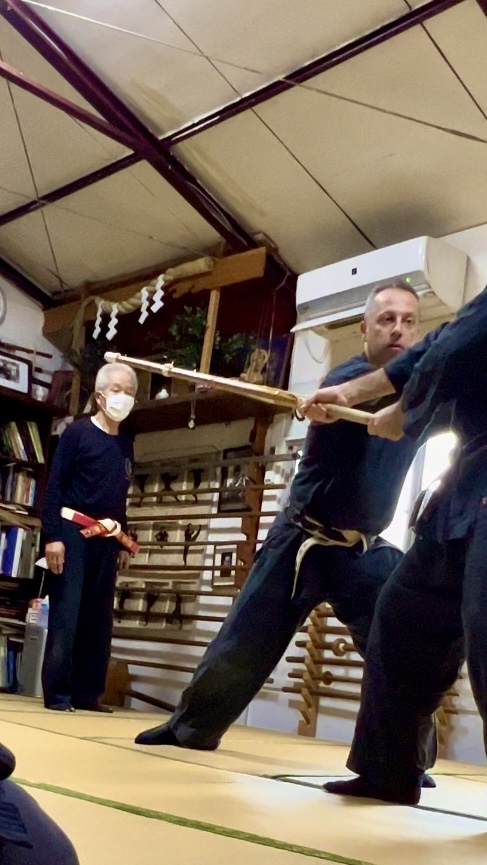
To further increase his knowledge and expand his martial arts horizons, Jasenc has regularly visited Japan since 1999, training under the watchful eye of Sōke Hatsumi and his foremost students, notably Dai-shihan Tetsuji Ishizuka, Sōke's oldest and most devoted student, Happō-biken Shihan Kenichi Someya, and Dai-shihan Hiroshi Nagase. In Slovenia, he has organized numerous large international seminars featuring the most esteemed Bujinkan instructors from around the world.
In addition to his regular and part-time teaching commitments in Slovenia, Jasenc frequently travels internationally to teach and disseminate the Bujinkan warrior tradition in his unique way. Due to his other obligations, he is unable to accept all the invitations he receives. He views himself as a perpetual student and has taught in various locations across Slovenia and abroad, including Austria, Hungary, Ukraine, Croatia, Bosnia and Herzegovina, Serbia, Montenegro, Romania, Russia, the Czech Republic, England, Ireland, and the USA.Andrej Jasenc
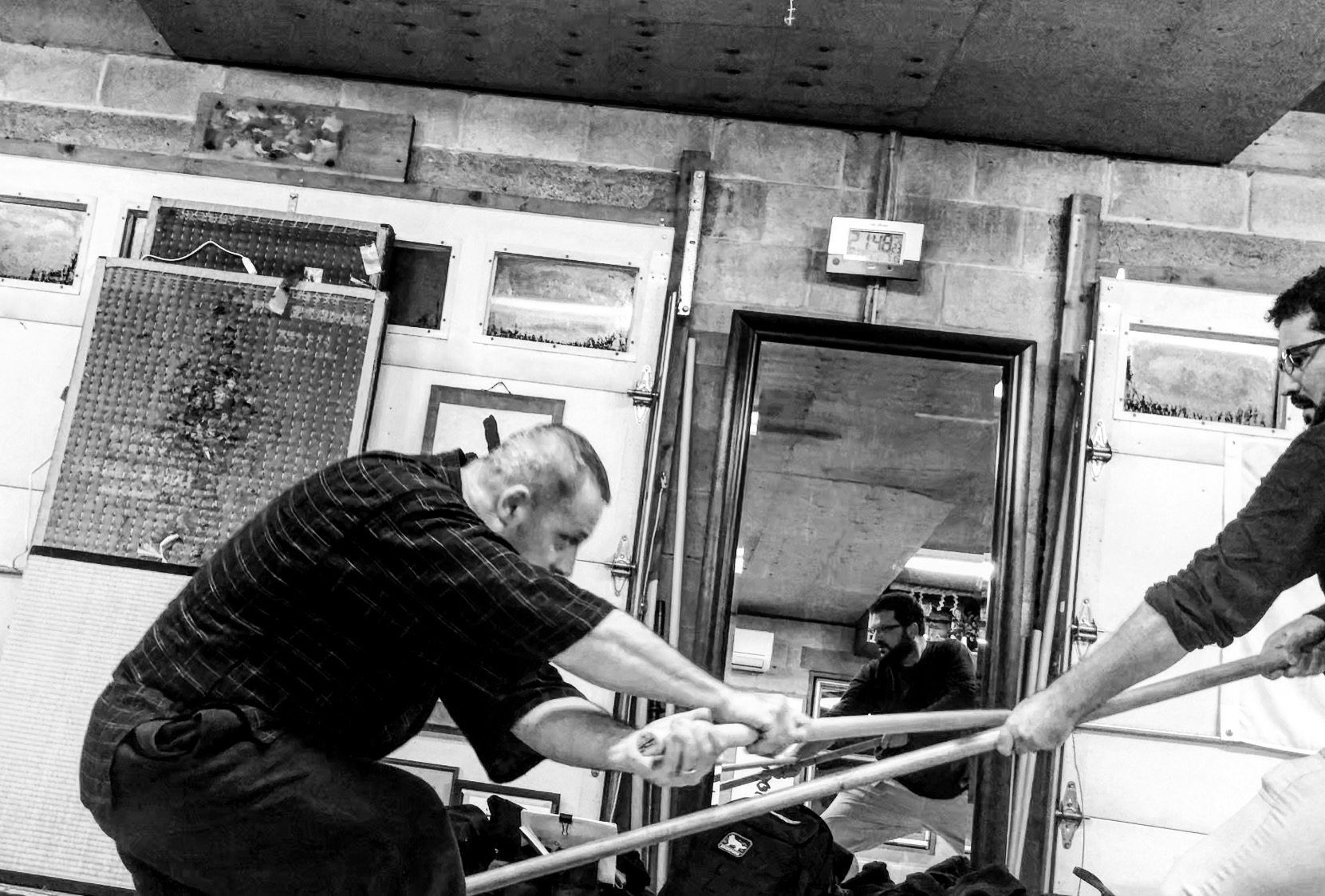
Andrej Jasenc
Andrej Jasenc, the founder, head, and main instructor of Bujinkan Ninpō Dōjō Slovenia, oversees the organization which is headquartered in Ljubljana and offers regular Ninjutsu training. Additionally, he oversees Bujinkan Tengan Dōjō, which is comprised solely of instructors and serves as the Slovenian Honbu Dōjō. He provides technical guidance to other Slovenian Dōjōs, which have complete autonomy in their operations.
Jasenc's engagement with martial arts began during his primary school years, initially with Full Contact Karate. His prowess became evident early on when he swiftly succeeded in knocking down his instructor, prompting a recommendation to join the local Sankukai Karate club. His disinterest in competing in tournaments, however, hindered his advancement due to the lack of fight points, despite his obvious skill. Around this time, Jasenc became intrigued by Ninjutsu, a martial art then largely unknown in Slovenia. Despite the scarcity and often poor quality of information available, he eagerly absorbed what he could and began training independently in Ninjutsu alongside other martial arts. His quest for a martial art that truly resonated with him led him through Jūdō, Shotokan Karate, Aikidō, and Jū Jutsu, yet none fully met his expectations. He sought more than the sport-oriented or overly romanticized aspects of these disciplines, yearning for a deeper connection to martial arts.
In the early 1990s, Jasenc attended a Ninjutsu seminar in Zagreb, Croatia, conducted by Dean Rostohar. Despite his initial skepticism, stemming from previous disappointing experiences at other Ninjutsu seminars, this seminar was transformative. The camaraderie among participants and the mutual support, contrasting sharply with the competitive nature of other disciplines he had trained in, left a profound impression on him. Rostohar's techniques, presenting a new level of challenge, reignited Jasenc's passion and commitment to martial arts, prompting him to become Rostohar's Uchi-deshi (personal disciple). Despite the geographical challenges, his dedication saw him quickly surpass many who trained more frequently.
This dedication bore fruit as Jasenc rapidly advanced, earning his Sho Dan diploma (1st Dan master level) from Sōka Hatsumi after just two and a half years. In 2001, he became the first Slovenian to pass the Sakki test (5th Dan), earning the title of Shidōshi (teacher of warrior ways). He achieved Jū Dan (10th Dan) in 2005 and was awarded the highest Bujinkan level, Jū Dan Kūgyo Happō Hiken (15th Dan), in 2012. His contributions to the promotion and spread of Bujinkan traditions globally were recognized with a Sōke title and the prestigious Bujinkan Gold Medal of Honor in 2011. He was further honored with the Bufū Ikkan Shigitai Menkyo (Honorary License for Unity of Spirit, Technique, and Body) in 2014, and the title of Yūshū Shihan ('Master-Teacher of Excellence') in 2015. Today, he holds the Dai-shihan ('grand master-teacher') title, the highest possible license in Bujinkan.
To further increase his knowledge and expand his martial arts horizons, Jasenc has regularly visited Japan since 1999, training under the watchful eye of Sōke Hatsumi and his foremost students, notably Dai-shihan Tetsuji Ishizuka, Sōke's oldest and most devoted student, Happō-biken Shihan Kenichi Someya, and Dai-shihan Hiroshi Nagase. In Slovenia, he has organized numerous large international seminars featuring the most esteemed Bujinkan instructors from around the world.
In addition to his regular and part-time teaching commitments in Slovenia, Jasenc frequently travels internationally to teach and disseminate the Bujinkan warrior tradition in his unique way. Due to his other obligations, he is unable to accept all the invitations he receives. He views himself as a perpetual student and has taught in various locations across Slovenia and abroad, including Austria, Hungary, Ukraine, Croatia, Bosnia and Herzegovina, Serbia, Montenegro, Romania, Russia, the Czech Republic, England, Ireland, and the USA.