Bujinkan
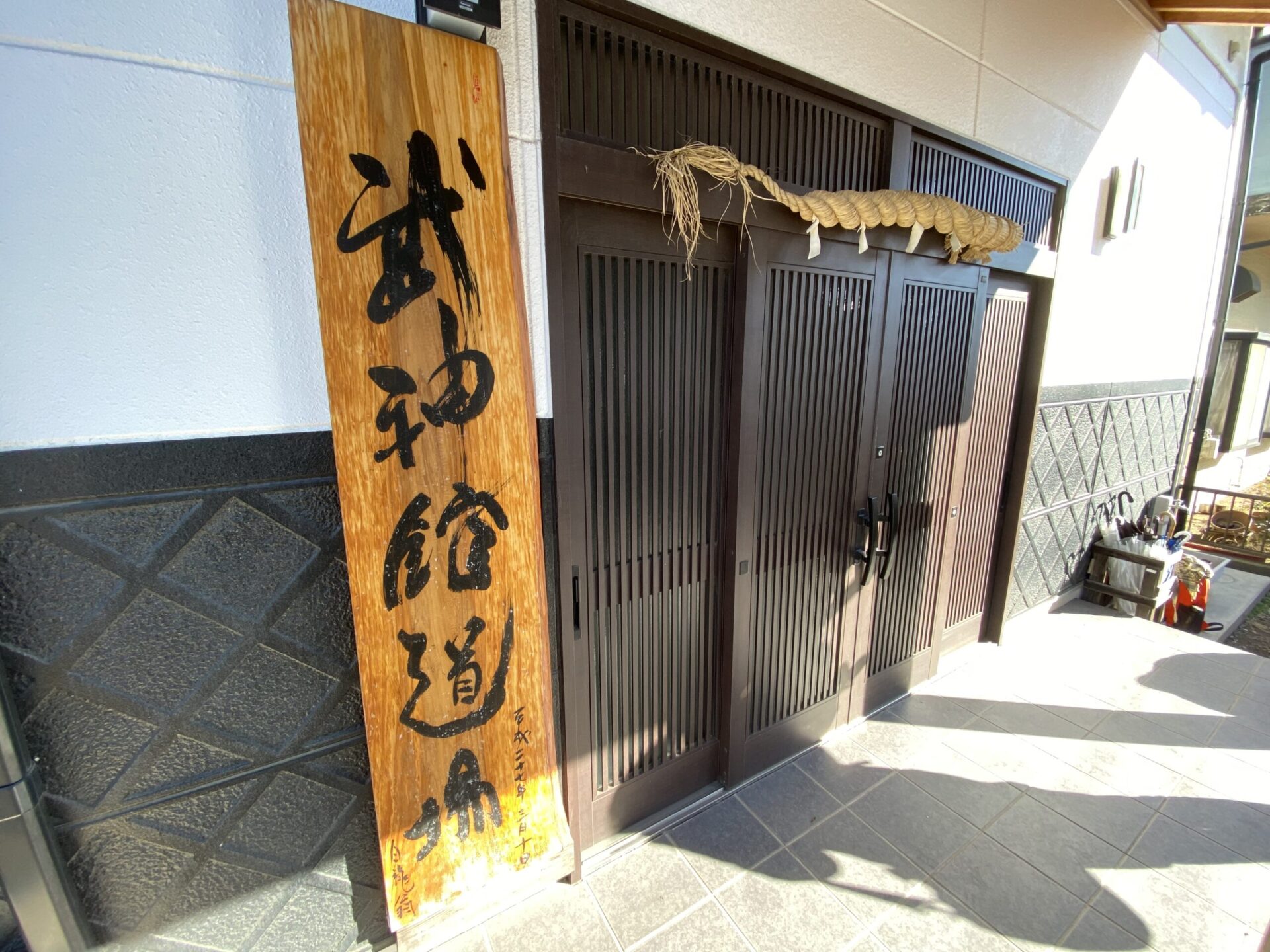
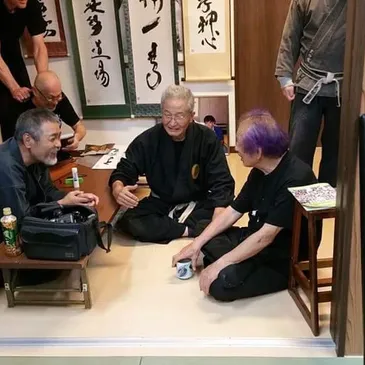
The Bujinkan organization, headquartered in Japan and led by Masaaki Hatsumi, is an international martial arts entity known for its comprehensive training system that encompasses nine separate schools or “ryūha.” This system, collectively referred to as Bujinkan Budō Taijutsu, is primarily associated with ninjutsu but extends beyond to include various martial arts techniques and philosophies. Bujinkan training emphasizes “taijutsu” (body movement/skills) and integrates aspects of ninpo tactics and strategies, along with happo biken jutsu, covering a wide range of traditional and modern weapons
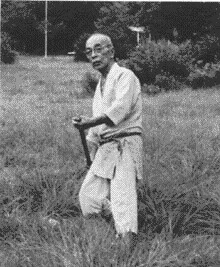
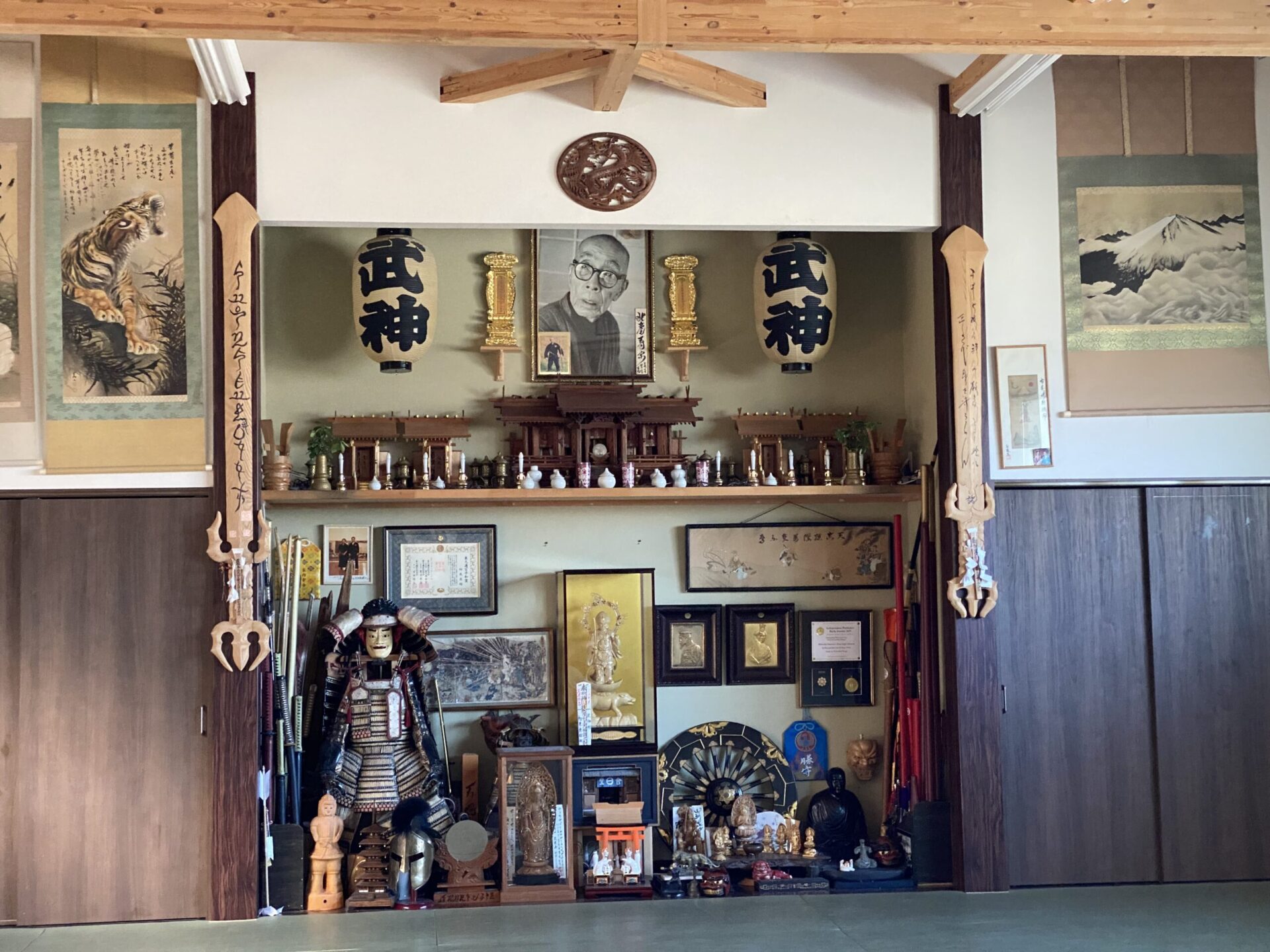
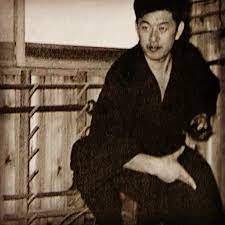
Training within the Bujinkan framework is structured to minimize the risk of permanent injury and does not adhere to a set of official rules or guidelines that limit techniques used during training. Instead, it focuses on survival in dangerous situations, using compliance through pain and potentially harmful techniques. This approach distinguishes Bujinkan from many competitive martial arts, making it especially relevant for law enforcement, military, and private security sectors. The practice is designed to be adaptable, applying principles across various scenarios, armed or unarmed
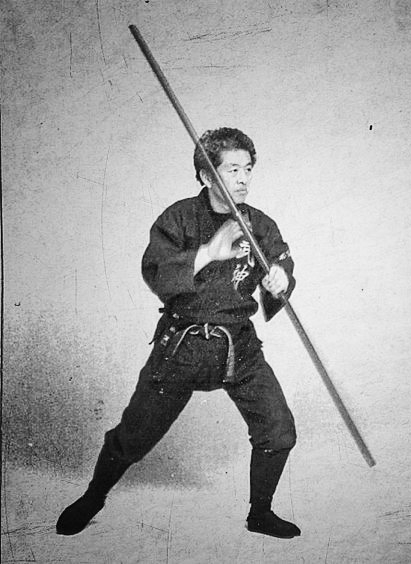
The foundational levels of Bujinkan training involve predefined sets of movements (kata) and physical conditioning, advancing to variations (henka), free-form training (randori), and more sophisticated techniques aimed at controlling an opponent’s mind. This progression ensures a comprehensive understanding and application of martial arts principles, from basic movements to complex strategies
Bujinkan Budo Taijutsu is not just about physical training; it embodies a philosophy that emphasizes personal growth, respect, and a sense of community. The training environment is often described as comfortable and brotherly, where respect is earned rather than demanded, and there’s a focus on individual progress at one’s own pace. This ethos resonates deeply with practitioners, many of whom find the combination of effective self-defense techniques and a supportive training atmosphere to be both rewarding and enjoyable
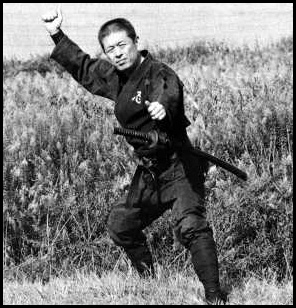
Overall, the Bujinkan offers a unique blend of martial arts training that is deeply rooted in Japanese tradition, yet adaptable to the modern world’s needs. It’s this balance of historical depth, practical application, and philosophical underpinning that continues to attract a wide range of practitioners worldwide.
The Bujinkan organization, led by Grandmaster Masaaki Hatsumi, encompasses a comprehensive martial arts system known as Bujinkan Budō Taijutsu. This system integrates techniques and philosophies from nine traditional schools or “ryūha,” each with its unique characteristics and teachings, reflecting a blend of ninjutsu, samurai, and other martial arts skills. These schools are:
1. **Togakure-ryū Ninpō Taijutsu** – Specializes in stealth and unconventional warfare techniques.
2. **Kotō-ryū Koppōjutsu** – Focuses on bone-breaking techniques and striking vital points.
3. **Gyokko-ryū Kosshijutsu** – Emphasizes muscle and nerve points targeting.
4. **Kukishin-ryū Taijutsu** – Known for its weapons techniques, particularly the staff and spear.
5. **Shinden Fudō-ryū Dakentaijutsu** – Stresses natural body movement and flexibility.
6. **Takagi Yōshin-ryū Jūtaijutsu** – A school that specializes in grappling and throwing techniques.
7. **Gikan-ryū Koppōjutsu** – Focuses on ethics and justice, alongside striking techniques.
8. **Gyokushin-ryū Ninpō** – Known for its espionage techniques and aerial combat skills.
9. **Kumogakure-ryū Ninpō** – Specializes in hiding and stealth techniques, using unique weapons like the kamayari (hooked spear).
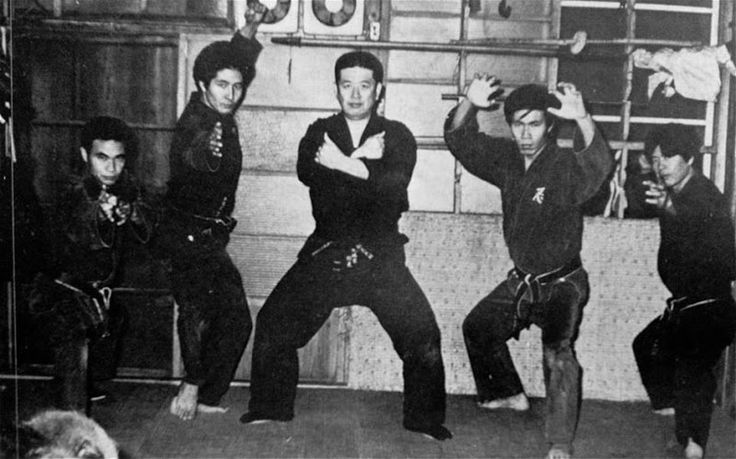
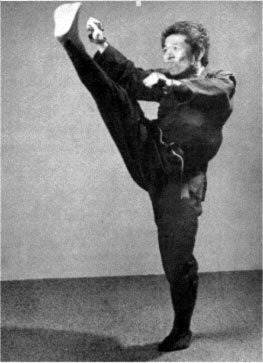
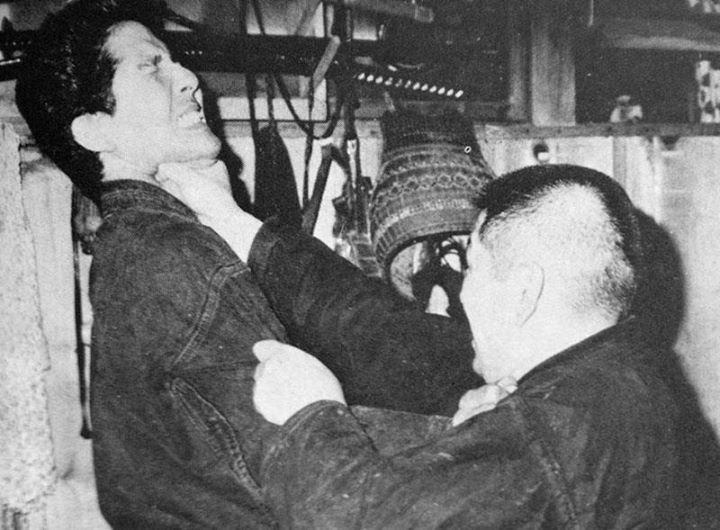
Bujinkan training also encompasses 18 disciplines, including various weapons and tactics such as swordsmanship (ken), spear techniques (yari), and stealth (ninpō tactics). Training emphasizes not only physical conditioning and technique but also the mental and strategic aspects of combat. The Bujinkan’s approach to martial arts is characterized by a focus on survival and effectiveness over competition, fostering a deep understanding of movement, balance, and the application of force.
This martial arts system is distinctive for its deep historical roots, drawing from centuries-old traditions and the personal teachings of Grandmaster Hatsumi. The Bujinkan promotes a philosophy of peace, self-improvement, and respect, alongside the rigorous physical and tactical skills taught within each ryūha. It’s a martial art that values the integrity of the practitioner, emphasizing continuous learning and personal growth.
For those interested in exploring the depths of traditional Japanese martial arts, the Bujinkan offers a rich and diverse path. It’s not just about learning to fight; it’s about embracing a way of life that honors the past while preparing for the future.
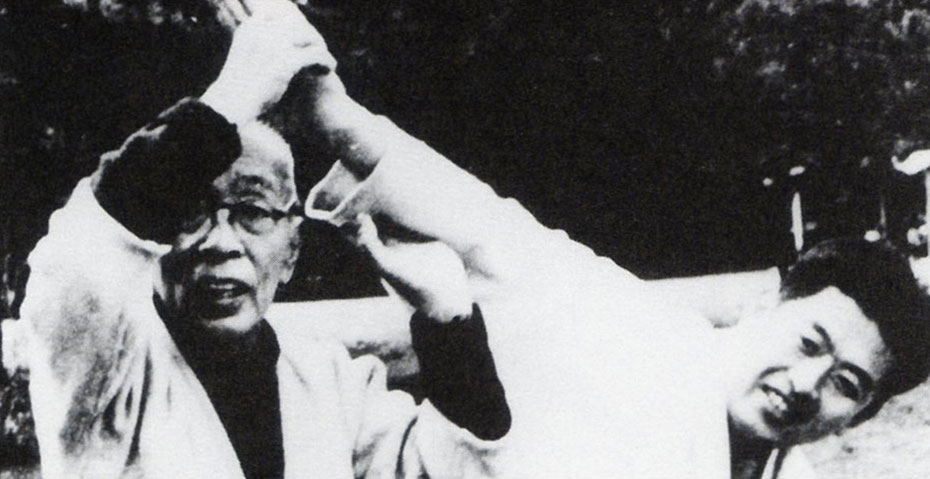
The 18 skills, known as the “Bugei Juhappan,” traditionally associated with the comprehensive martial arts training found in the Bujinkan system. These skills encompass a broad range of martial and non-martial disciplines that a well-rounded warrior was expected to master:
1. **Seishinteki Kyoyo** – Spiritual refinement.
2. **Taijutsu** – Unarmed combat, utilizing body movements to defend and counterattack.
3. **Kenjutsu** – Sword fighting.
4. **Bojutsu** – Staff techniques.
5. **Sōjutsu** – Spear fighting.
6. **Naginatajutsu** – Techniques using the naginata (a long pole weapon).
7. **Kusarigamajutsu** – Chain and sickle weapons techniques.
8. **Shurikenjutsu** – Throwing weapons techniques.
9. **Kayakujutsu** – Pyrotechnics and explosives.
10. **Hensōjutsu** – Disguise and impersonation.
11. **Shinobi Iri** – Stealth and entering methods.
12. **Bajutsu** – Horsemanship.
13. **Sui-ren** – Water training, including swimming and using water for stealth.
14. **Bōryaku** – Tactics.
15. **Chōhō** – Espionage.
16. **Intonjutsu** – Escaping and concealment.
17. **Tenmon** – Meteorology, understanding the weather and using it to an advantage.
18. **Chi-mon** – Geography, knowing the terrain and using it strategically.
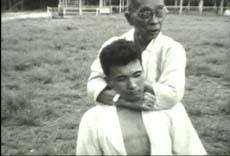
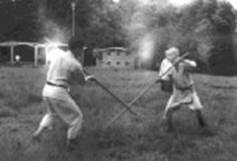

These 18 skills not only cover physical combat techniques but also strategic, survival, and espionage skills that were essential for the ninja and samurai of ancient Japan. The Bujinkan system, through its training in these disciplines, seeks to develop not just the body but also the mind and spirit of the practitioner, providing a holistic approach to martial arts.
Each of these skills is deep and rich with history and technique, reflecting the diverse capabilities required of the warriors of the past. Training in the Bujinkan aims to preserve these traditions, adapting their timeless lessons to the modern world.